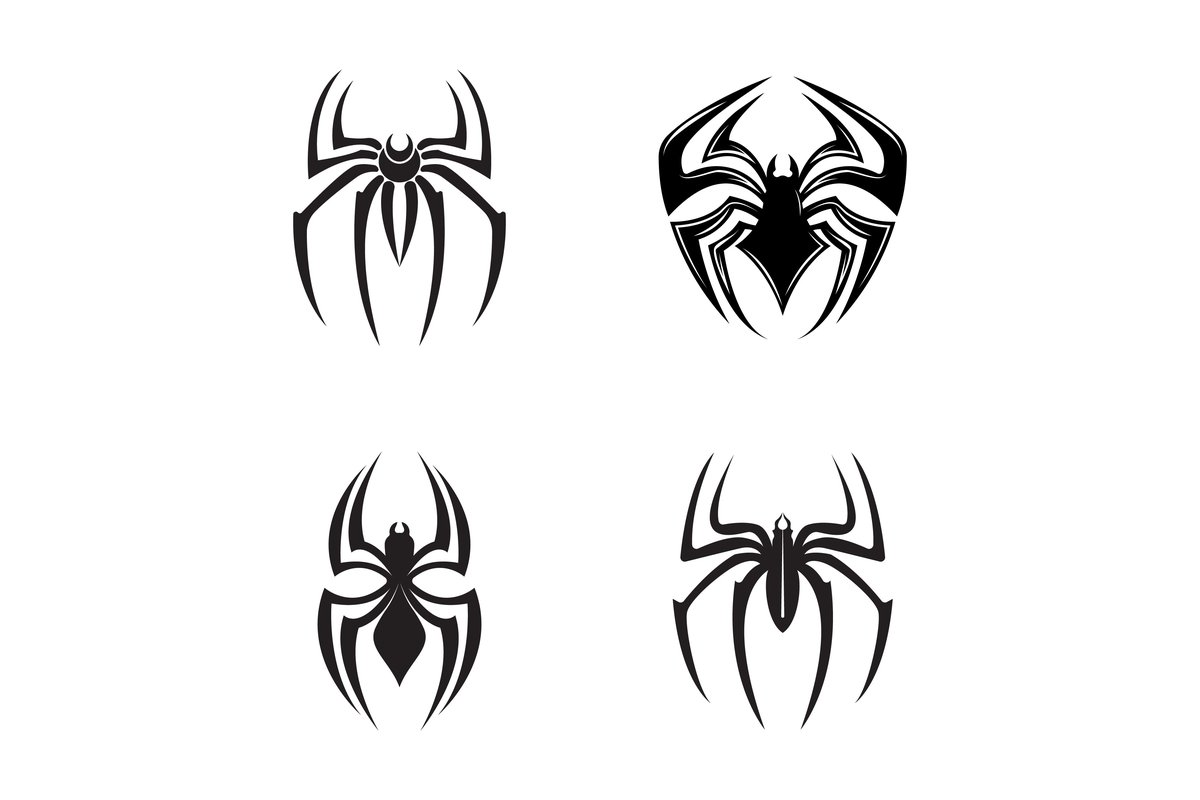
The Spider-Man logo isn't just a symbol; it's a dynamic visual narrative, a compressed epic of heroism, responsibility, and relentless evolution. Understanding the Symbolism and Design Principles of the Spider-Man Logo isn't merely a dive into graphic art; it's an exploration of how a simple graphic can become a globally recognized icon, transcending comic book panels to become a cultural touchstone.
This isn't just about a spider on a chest; it's about what that spider represents, how its form communicates, and why it has resonated with generations. From its humble origins to its sleek modern iterations, the logo tells a story of identity, power, and the unwavering spirit of a hero.
At a Glance: Decoding the Spider-Man Logo
- Origin Story: Created by Steve Ditko in 1962 for Amazing Fantasy #15, initially a simple black spider.
- Key Evolution: Transformed in 1963 with the red and blue costume, adding sharper lines and the iconic web pattern.
- Core Symbolism: The spider represents strength, agility, and the radioactive bite. The web signifies creativity and ingenuity.
- Color Meanings: Black (original spider), white (purity/goodness), red (boldness/danger), blue (dependability).
- Guiding Philosophy: Embodies "With great power, comes great responsibility," acting as a beacon of hope.
- Design Principles: Emphasizes simplicity, adaptability, contrast, kinetic energy, and strategic placement.
- Cultural Impact: A cornerstone of Marvel's brand, uniting fans globally and representing heroism and adventure.
The Genesis of an Icon: From Panel to Phenomenon
Before Spider-Man was swinging between skyscrapers on the big screen, he was a revelation on the pages of Amazing Fantasy #15 in 1962. And with him, a symbol was born. Legendary artist Steve Ditko, the co-creator of Spider-Man, crafted the original logo – a surprisingly simple, yet profoundly effective, design.
Imagine that first glimpse: a bold, black spider, stark against the fabric of the costume, featuring elongated legs and a distinctively round abdomen. This wasn't merely decorative; it was an instant declaration. This particular arachnid wasn't just on Spider-Man; it was Spider-Man, emphasizing his newfound, arachnid-inspired powers and cementing a unique identity that separated him from the caped crusaders of the era. It was a direct, unapologetic reference to the radioactive spider bite that transformed Peter Parker, serving as a powerful visual shorthand for his origin.
The Web's First Spin: Evolving with the Hero's Wardrobe
The following year, 1963, marked another pivotal moment for the burgeoning hero with the launch of The Amazing Spider-Man comic series. This is when the character fully embraced his iconic red and blue costume – a vibrant, eye-catching palette that would define him for decades. Naturally, his chest emblem had to evolve to match this bolder aesthetic.
The logo underwent a subtle but significant transformation. While retaining the core spider shape, it gained sharper lines, giving it a more dynamic and refined appearance. Crucially, a distinctive web pattern began to emanate from the spider’s body, weaving it directly into the fabric of the character’s persona. This web wasn't just an artistic flourish; it became synonymous with Spider-Man, immediately calling to mind his unique method of transportation and his incredible ingenuity.
This evolution showcased an early understanding of how a logo isn't static. It needs to grow with its brand, adapting its visual language while retaining its core essence. This adaptability would prove key to its longevity, allowing it to move seamlessly from comic books to films, video games, and even into the hands of a new generation with All about the Spider-Man logo.
The Shifting Threads: Logo Transformations Through Key Storylines
A truly great logo isn't just recognizable; it's resilient. It can change, adapt, and even reflect dramatic narrative shifts without losing its soul. The Spider-Man logo has done exactly that, most famously during the seismic events of Marvel's Secret Wars storyline in the 1980s.
The Symbiote's Shadow: A Logo of Menace
When Spider-Man donned a sleek, mysterious black suit, his emblem transformed dramatically to match the darker tone. Instead of the classic red and blue, the logo became a stark, imposing black spider on a red background. This wasn't just a costume change; it was a character metamorphosis. The logo conveyed menace, a visual shorthand for the internal struggle Peter Parker faced with the alien symbiote that formed his new attire. It was a bold design choice that signaled danger, intrigue, and a hero on the precipice. This transformation proved the logo’s power to communicate complex emotional states and narrative stakes through color and negative space.
The Return to Classic: Refinement and Modernity
After the symbiote saga concluded and the classic red and blue design was restored, the logo didn't simply revert to its old form. Like Spider-Man himself, it continued to evolve. Subsequent iterations, especially in the 21st century across various media, introduced sleeker, more modern aesthetics. While retaining its core elements – the spider, the web pattern – designers refined its lines, experimented with proportions, and gave it a more dynamic, agile feel, reflecting contemporary design trends and the character's ever-growing presence. This constant refinement ensures the logo remains fresh and relevant, speaking to new audiences while honoring its rich heritage.
Decoding the Icon: The Profound Symbolism Within the Spider-Man Logo
At its heart, the Spider-Man logo is a masterclass in symbolic communication. Every curve, every color choice, and every design element is imbued with meaning, collectively telling the story of Peter Parker and his heroic alter ego.
The Potent Spider: Strength, Agility, Origin
The most obvious and powerful symbol is, of course, the spider itself. This isn't just any insect; it's the direct representation of the radioactive spider bite that irrevocably altered Peter Parker's life. The spider embodies:
- Strength: Despite its small size, a spider's ability to weave intricate webs and capture prey speaks to a unique, formidable power.
- Agility: Spiders are known for their swift, acrobatic movements, directly reflecting Spider-Man's incredible reflexes and acrobatic prowess.
- Web-Slinging Skills: The very presence of the spider immediately brings to mind his iconic mode of transportation and combat, allowing him to traverse cities with effortless grace.
It’s a primal image that triggers both fascination and a touch of primal fear, perfectly encapsulating the duality of Spider-Man’s powers.
The Web Pattern: Creativity and Ingenuity
Beyond the spider’s body, the white web pattern emanating outwards is equally significant. This isn't just decoration; it symbolizes:
- Creativity: Peter Parker, the scientific genius, invents his web-shooters. The web pattern speaks to his ingenuity and problem-solving skills.
- Interconnectedness: Webs connect points, much like Spider-Man connects with the people of New York, often acting as a bridge between danger and safety.
- Adaptability: A web can be spun in countless ways, reflecting Spider-Man's ability to adapt to any situation and use his environment to his advantage.
This pattern transforms the logo from a simple insect into a dynamic force, hinting at the hero's intellect as much as his raw power.
A Spectrum of Meaning: The Logo's Color Psychology
Colors are never arbitrary in design, and the Spider-Man logo's palette is rich with intentionality:
- Black: Primarily featured in the original Ditko design and prominently in the symbiote suit logo, black harks back to the literal color of a spider. It evokes mystery, power, and, in the case of the black suit, menace and danger.
- White: Often used for the spider against a red or blue background, white signifies purity, goodness, and positivity. It suggests the inherent heroism and moral compass that guides Peter Parker, contrasting with the darker aspects of his powers or the villains he faces.
- Red: Mirroring Spider-Man’s iconic costume, red represents boldness, excitement, and danger. It’s a color that grabs attention, embodying the thrill of his adventures and the ever-present threat he battles. When used as a circle around the spider in some versions, it amplifies this sense of excitement and urgency.
- Blue: Also a core color of his classic costume, blue conveys dependability, trust, and calm. It balances the intensity of red, suggesting Spider-Man’s unwavering commitment to his responsibilities and his role as a protector.
The strategic interplay of these colors ensures the logo is not only eye-catching but also deeply resonant, communicating a spectrum of emotions and core values.
The Guiding Light: Hope, Courage, Responsibility
Ultimately, the Spider-Man logo transcends individual symbols and colors to embody a profound philosophical principle: "With great power, comes great responsibility." It's a beacon of hope, courage, and adventure, reminding us that anyone can be a hero, regardless of their origin. It signifies that true heroism isn't about the powers themselves, but the moral choices made when possessing them. The logo, therefore, isn't just a brand mark; it’s a moral compass for its character and its audience.
Design Principles in Action: Crafting Recognizability and Impact
What makes the Spider-Man logo so enduring? It’s a brilliant fusion of symbolic depth and sound design principles that ensure its effectiveness across every medium and generation.
Simplicity and Adaptability: The Core Strength
One of the logo's greatest strengths lies in its simplicity. Despite its evolution, the core shape of the spider remains instantly recognizable. This simplicity lends itself to incredible adaptability. Whether it's rendered as a minimalist outline, a detailed emblem, or integrated into a complex movie suit, its essence is never lost. This allows it to scale perfectly, from a tiny merchandise tag to a massive billboard, always communicating its message clearly. Its adaptability has been key to its omnipresence, appearing on everything from toys to clothing, making it a ubiquitous part of popular culture.
Contrast and Impact: Standing Out from the Crowd
The logo masterfully uses contrast to create immediate visual impact. The stark black or white of the spider against the vibrant red or blue of the costume ensures it always stands out. This high contrast not only makes it easily visible but also adds to its dynamic feel, creating a sense of tension and energy. This principle ensures that even a fleeting glimpse of the logo is enough to register its meaning and connect it with the hero.
Kinetic Energy and Typeface Evolution
While the earliest comic era font was bold and dramatic, reflecting the raw energy of its inception, modern versions have leaned into a more sleek, stylized, and dynamic typeface. This evolution imbues the logo with a sense of kinetic energy, suggesting agility, speed, and constant motion. The lines are often sharper, the curves more deliberate, reflecting Spider-Man’s acrobatic fighting style and quick wit. This dynamism ensures the logo feels perpetually forward-moving, refusing to be stuck in the past.
Placement and Purpose: More Than Just a Badge
The Spider-Man logo isn't confined to a single spot. It has appeared on the front chest, the back, and even the palms of various costume designs, each placement adding to its symbolic weight. More than just a static badge, the logo has been prominently featured in storylines as:
- A Shield: Protecting Peter Parker, both physically and symbolically.
- A Tool for Villains to Taunt: Manipulated or defaced to undermine Spider-Man’s spirit.
- A Symbol of Resistance: Appearing on makeshift costumes or banners, galvanizing others to fight.
This active role within the narrative demonstrates the logo’s power beyond mere aesthetics; it is an integral part of the storytelling.
Beyond the Page: The Logo's Enduring Cultural Footprint
The Spider-Man logo has long since transcended the comic book panels from which it sprang. It’s not just a character identifier; it’s a full-fledged cultural phenomenon with far-reaching influence.
A Cornerstone of Marvel's Empire
As a symbol, the logo has become synonymous with the entire Marvel brand, representing heroism, adventure, and bravery for countless fans worldwide. It's a cornerstone of Marvel’s empire, significantly contributing to its branding and global recognition. Its presence instantly evokes the high-stakes, character-driven storytelling that Marvel is known for, acting as a shorthand for quality and excitement.
Uniting Fans and Evoking Nostalgia
Globally recognized, the Spider-Man logo unites fans across cultures and generations. It fosters an emotional connection, often linked to nostalgia for childhood heroes and formative experiences. Seeing the logo, whether on a movie poster or a vintage comic, often conjures a wave of warmth and shared experience, making it a powerful tool for community building among enthusiasts.
Intellectual Property and Licensing: The Marvel Brand Guarded
Given its immense value and recognition, the Spider-Man logo is a highly protected piece of intellectual property. Companies require a license from Marvel to use the logo on any product, from toys and clothing to video games and theme park attractions. This strict control ensures brand consistency, quality control, and naturally, significant revenue for Marvel. It highlights the immense commercial power a well-designed and deeply symbolic logo can command.
Adapting for New Media: The Video Game Example
Video game developers, for instance, often tweak the logo to fit a game's unique vibe or storyline. A grittier, more mature game might feature a sharper, more angular logo, while a family-friendly title might opt for a softer, more rounded version. This creative freedom, granted within the licensing agreements, demonstrates the logo's inherent flexibility and its capacity to convey specific tones and themes across diverse interactive experiences. It’s a testament to its robust design that it can be altered slightly without losing its core identity.
Designing Your Own Icon: Lessons from the Web-Head
The Spider-Man logo offers invaluable insights for anyone looking to create a lasting brand identity. It proves that powerful design isn't just about aesthetics; it's about telling a compelling story and embodying core values.
1. Understand Your Core Message
Before you even sketch a line, ask yourself: What is the single most important message your logo needs to convey? For Spider-Man, it's his arachnid origin, his powers, and ultimately, responsibility. Your logo should distill your brand's essence into a potent visual.
2. Embrace Simplicity and Adaptability
A complex logo is a forgettable logo. Strive for simplicity that allows your design to be easily recognized, recalled, and adapted across various platforms, sizes, and media. Think about how it would look on a business card versus a billboard, or how it could translate into an animation.
3. Leverage Color Psychology Wisely
Colors evoke emotions. Choose your palette intentionally. Red signifies urgency and passion; blue, trust and stability. The Spider-Man logo's use of contrasting colors ensures vibrancy and impact, but also communicates deeper character traits.
4. Consider Typography Carefully
The font you choose for any accompanying text, or even the style of your emblem, speaks volumes. From the bold drama of early comics to the sleek agility of modern designs, typography can define the energy and personality of your brand. Does your brand need to feel established, innovative, playful, or serious? Let your typeface reflect that.
5. Think About Scalability and Placement
A good logo works everywhere. Ensure your design is scalable without losing detail or impact. Consider how it might appear on different materials, products, or digital interfaces. Just as the Spider-Man logo has been used as a shield or a taunt, think about how your logo could be integrated into your brand's narrative or user experience.
6. Allow for Evolution, Not Erasure
The Spider-Man logo wasn't static; it evolved while retaining its core. Your brand identity doesn't have to be frozen in time. Be open to refining your logo over the years to reflect growth, new directions, or changing aesthetics, but always ensure the changes reinforce, rather than erode, your fundamental identity.
Frequently Asked Questions About the Spider-Man Logo
Got a quick question about the web-slinger's emblem? Here are some common queries, answered crisply.
Who designed the original Spider-Man logo?
The original Spider-Man logo, a simple bold black spider, was designed by legendary artist Steve Ditko for Amazing Fantasy #15 in 1962.
Why did the logo change over time?
The logo evolved to match changes in Spider-Man’s costume, such as the adoption of the red and blue suit which introduced the web pattern. It also dramatically transformed during significant storylines like the "Secret Wars" black suit era and has since been refined with sleeker, more modern aesthetics to stay current across different media.
What do the colors in the Spider-Man logo mean?
The most recognizable colors are black (referencing the original spider, power, and mystery) and white (purity, goodness). The classic red and blue, mirroring his costume, represent boldness and excitement (red) balanced with dependability and trust (blue). A red circle in some versions can signify danger and excitement.
Is the Spider-Man logo copyrighted?
Yes, the Spider-Man logo is intellectual property owned by Marvel Entertainment. Companies require a license from Marvel to use the logo on any product or media.
Your Turn to Spin a Legacy
The journey of the Spider-Man logo is more than just a case study in graphic design; it's a testament to the power of a well-conceived symbol to shape narratives, build global brands, and forge enduring connections. From its initial role as a stark identifier to its current status as a beacon of hope and responsibility, its evolution mirrors the journey of its hero.
As you reflect on the Symbolism and Design Principles of the Spider-Man Logo, consider how these lessons can apply to your own endeavors. Whether you're crafting a personal brand, developing a new product, or simply appreciating the art around you, remember that true iconic design speaks volumes, adapts gracefully, and resonates deeply, much like our friendly neighborhood Spider-Man.