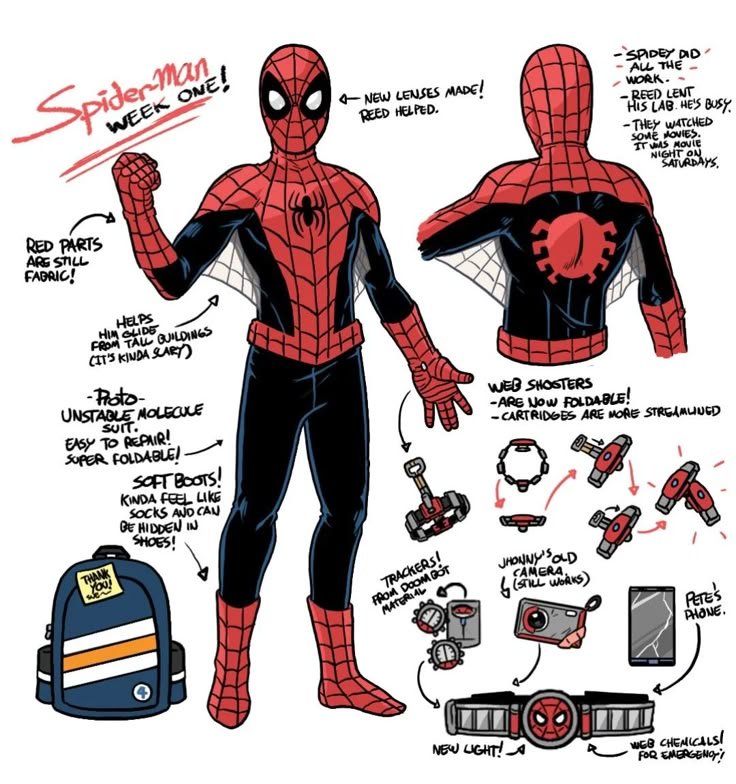
The thrill of embodying your friendly neighborhood Spider-Man isn't just for Hollywood. With a little creativity and some elbow grease, you can bring a piece of Peter Parker's world to life right in your own home. This guide dives deep into DIY & Fan Art: Creating Your Own Spider-Man Logo, offering trusted advice and step-by-step instructions to help you craft an emblem worthy of a web-slinger, whether you're aiming for the sleek, modern look of the MCU or the endearing simplicity of a homemade suit.
At a Glance: Your Web-Slinging Logo Journey
- Choose Your Style: Decide between the modern MCU logo (ideal for cutting machines) or the classic Homemade Suit logo (perfect for fabric/paint).
- Gather Your Gear: Different methods require different materials – think fabric, paint, stencils, or digital cutting machines.
- Step-by-Step Guidance: Follow clear instructions for fabric, paint, or digital cutting methods.
- Customize & Personalize: Don't be afraid to add your unique flair with colors, textures, or embellishments.
- Durability Matters: Learn tips for making your logo last, whether through glue, stitching, or proper paint application.
- Troubleshoot Like a Hero: Get advice on common pitfalls and how to fix them, ensuring a rewarding crafting experience.
Why Craft Your Own Spider-Man Logo? More Than Just a Symbol
Spider-Man isn't just a character; he's an icon of hope, resilience, and ingenuity. For many, creating something inspired by him is a way to connect with those ideals, to showcase fandom, and to tap into a vibrant community of fellow enthusiasts. There's a profound satisfaction that comes from making something with your own hands, especially when it's a symbol as recognizable and beloved as the Spider-Man logo.
In the world of cosplay and fan art, DIY has never been more popular. Whether you're heading to Comic-Con, a local convention, or simply want to adorn your everyday items with a touch of superhero flair, a handmade logo stands out. It's a testament to your appreciation for the character and your own creative spirit. Plus, there's a growing appreciation for the handmade aesthetic, a certain charm that mass-produced items just can't replicate. When you craft your own logo, you're not just making a decoration; you're creating a piece of art infused with personal meaning, a direct link to the resourcefulness Peter Parker himself embodies, especially in his earliest, most iconic homemade suits.
Understanding the Iconic Spider-Man Logo: A Brief Evolution
Before you dive into crafting, it helps to appreciate the design evolution of Spider-Man's emblem. Over the decades, the logo has seen various iterations, each reflecting the era and the specific interpretation of the character. From the bold, sometimes angular spiders of the early comics to the more streamlined versions found in animated series and films, the core elements have always remained: a spider, usually black, set against a contrasting background.
The beauty of the Spider-Man logo lies in its simplicity and immediate recognition. It communicates agility, mystery, and a slightly ominous, yet heroic, presence. Two particularly popular versions for DIY enthusiasts are:
- The MCU's Sleek Emblem: This is the logo seen on Tom Holland's Spider-Man suit in films like "Spider-Man: Homecoming," "Far From Home," and "No Way Home." It's characterized by its clean lines, often slightly more angular legs, and a generally modern, almost tech-inspired feel. It's an iconic design that translates beautifully into various mediums, especially those that benefit from precision, like vinyl cutting.
- The Homemade Suit's Resourceful Mark: This emblem, famously worn by Peter Parker early in his career, is a testament to his ingenuity. It's typically a simpler, often more organic-looking black spider on the chest of a largely red and blue suit. Its charm comes from its slightly imperfect, handmade quality, reflecting Peter's beginnings. It's the perfect choice for those who want to evoke that sense of early, scrappy heroism and find joy in a more traditional, hands-on crafting approach.
Understanding these distinctions will help you choose the right style and method for your project. If you're curious about the deeper history and symbolism behind the various emblems, you can always Explore the Spider-Man logo in more detail to inform your artistic choices.
Choosing Your Spider-Man Logo Style: Modern Marvel or Classic DIY?
Your first step in this creative journey is to pick which iconic Spider-Man logo speaks to you. Each has its own appeal and lends itself to different crafting techniques.
The MCU's Sleek Emblem (Tom Holland Era)
This is the emblem that graces the chest of Tom Holland's cinematic Spider-Man. It's a marvel of modern design, featuring crisp, clean lines and a symmetrical, often slightly angular aesthetic. It projects efficiency, technology, and a polished superhero image.
- Best for: Those aiming for accuracy to the films, sleek T-shirts, laptop decals, car stickers, or modern cosplay suits.
- Ideal Method: Digital crafting with SVG files and cutting machines (like Cricut or Silhouette Cameo), as precision is key to replicating its sharp edges.
- Why choose it: You love the contemporary look, appreciate sharp details, and want a logo that feels factory-made, despite being DIY.
The Homemade Suit's Resourceful Mark
Harking back to Peter Parker's roots, this emblem embodies his resourcefulness and early struggles. It's a simple black spider, often with a slightly more organic or even crudely drawn feel, reflecting that it was made by a teenager with limited resources. Its charm lies in its authenticity and the story it tells.
- Best for: Cosplays of the Homemade Suit, projects celebrating Spidey's humble beginnings, or any fan art where a slightly less perfect, more "human" touch is desired.
- Ideal Methods: Fabric and sewing, or paint and stencil, as these methods naturally lend themselves to a more handcrafted aesthetic.
- Why choose it: You're a fan of the classic underdog story, appreciate the handmade look, and want your logo to convey a sense of genuine effort and ingenuity.
Beyond the Classics: Personalizing Your Web-Slinger Mark
While the MCU and Homemade Suit logos are fantastic starting points, don't feel limited. Spider-Man has dozens of variations across comics, games, and parallel universes (Spider-Verse, anyone?). Consider:
- Spider-Gwen's iconic emblem: A striking, almost abstract spider with two front legs extending into graphic shapes.
- Classic comic book designs: Often bolder, more traditional spider shapes.
- Your own unique interpretation: What would your Spider-Man logo look like?
The choice is yours. Once you've settled on a style, you can gather the appropriate materials and dive into the creation process.
Method 1: The Digital Craftsperson – Using SVG & Cutting Machines (MCU Style)
If you're drawn to the crisp lines of the MCU Spider-Man logo and own a digital cutting machine, this method is for you. It offers unparalleled precision and consistency, making it ideal for vinyl decals, heat transfer vinyl (HTV) for apparel, or even intricate paper designs.
What's an SVG and Why It's Perfect for DIY
SVG stands for Scalable Vector Graphics. Unlike pixel-based images (like JPEGs or PNGs), SVGs are made of mathematical paths, meaning they can be scaled to any size without losing quality or becoming pixelated. This makes them perfect for cutting machines, which read these paths to precisely cut materials. Many free SVG files for the MCU Spider-Man logo exist online, often inspired by its appearance in Tom Holland's films.
Materials You'll Need:
- Digital Cutting Machine: Cricut (Maker, Explore Air), Silhouette Cameo, Brother ScanNCut, etc.
- Computer/Tablet: With your machine's design software installed (Cricut Design Space, Silhouette Studio).
- SVG File: For the MCU Spider-Man logo. Many are available for free online with a quick search.
- Material to Cut:
- Heat Transfer Vinyl (HTV): For T-shirts, hoodies, fabric items.
- Adhesive Vinyl: For stickers, car decals, laptop skins, wall art.
- Cardstock/Paper: For party decor, scrapbooking.
- Cutting Mat: Standard grip for most vinyl/paper.
- Weeding Tools: Hook tool, tweezers (essential for removing excess vinyl).
- Transfer Tape: (For adhesive vinyl) Helps transfer your cut design smoothly.
- Heat Press or Iron: (For HTV) To apply the design to fabric.
Step-by-Step Guide:
- Acquire Your SVG File: Search online for "MCU Spider-Man logo SVG free" or similar. Download the file. Ensure it's for personal, non-commercial use if you're not creating it yourself.
- Upload to Your Design Software:
- Open Cricut Design Space, Silhouette Studio, or your machine's equivalent.
- Select "Upload" and choose your downloaded SVG file. It should appear as a clean, ready-to-cut image.
- Adjust Size and Settings:
- Place the SVG onto your canvas.
- Measure the area where your logo will go (e.g., the center of a T-shirt). Resize the SVG to fit perfectly. This is also where you can customize it further by layering different colors if your SVG allows.
- If using HTV, remember to mirror your design before cutting! Adhesive vinyl does not need mirroring.
- Select your material type (e.g., "Heat Transfer Vinyl - Iron-On" or "Premium Vinyl").
- Load Material & Cut:
- Place your chosen vinyl (shiny side down for HTV, shiny side up for adhesive vinyl) onto your cutting mat.
- Load the mat into your machine.
- Initiate the cut. Watch as your machine precisely traces the iconic lines of the Spider-Man logo!
- Weed Your Design:
- Once cut, remove the mat and carefully peel away the excess vinyl around your design. Use your weeding tools to remove small interior pieces (like the gaps between the spider's legs). This step reveals your crisp logo.
- Apply Your Logo:
- For HTV (on fabric):
- Preheat your heat press or iron according to your HTV's instructions.
- Place your fabric item on a clean, flat surface.
- Position your weeded HTV design (with its clear carrier sheet still attached) onto the fabric.
- Apply heat and pressure for the recommended time.
- Carefully peel off the carrier sheet (check if it's a hot peel or cold peel).
- For Adhesive Vinyl (on hard surfaces):
- Clean the target surface thoroughly.
- Place transfer tape over your weeded vinyl design and burnish it well with a scraper tool.
- Slowly peel the transfer tape, bringing the vinyl design with it.
- Carefully position the design onto your target surface.
- Burnish again, then slowly peel off the transfer tape, leaving your Spider-Man logo behind.
Tips for Seamless Results:
- Test Cut: Always do a small test cut on a scrap piece of your material to ensure your blade settings are correct.
- Clean Mat: A clean, sticky mat is crucial for preventing material slippage.
- Proper Pressure: For HTV, consistent heat and pressure are key for a lasting bond.
- Go Slow: Especially when weeding and applying, patience prevents tears and wrinkles.
Method 2: The Hands-On Hero – Fabric & Sewing (Homemade Suit Style)
For those who appreciate the tactile experience of crafting with fabric and want to emulate the original, resourceful spirit of Peter Parker's Homemade Suit, this method is ideal. It results in a robust, layered logo perfect for cosplay, costume upgrades, or durable textile art.
Embracing Peter Parker's Ingenuity
The Homemade Suit logo isn't about perfection; it's about making do with what you have. This method allows for that authentic, slightly handcrafted feel, creating a three-dimensional logo that stands out. It's durable, washable, and adds a fantastic textural element to any project.
Materials You'll Need:
- Fabrics:
- Red fabric (for the suit's chest area, if making a patch).
- Blue fabric (for the background behind the spider, if desired, or directly on red).
- Black fabric (for the spider design itself).
- Tip: Felt is a fantastic choice for its non-fraying edges, making it easier to work with. Cotton blends or jersey also work if you're comfortable with edges.
- Fabric Glue: Strong, flexible fabric glue (e.g., Fabri-Tac, Aleene's Fabric Fusion).
- Scissors: Sharp fabric scissors.
- Template: A printed template of the Homemade Suit's black spider logo (easily found with a quick online search) or even freehand your own.
- Pins: To secure fabric layers.
- Sewing Machine (Optional but Recommended for Durability): With black thread.
- Hand Sewing Needle (Alternative): If sewing by hand.
- Fabric Marker/Chalk: For tracing.
Step-by-Step Guide:
- Gathering Your Fabrics: Lay out your chosen red, blue (if using), and black fabrics. Ensure they are clean and wrinkle-free.
- Cut the Base Shapes (Optional, for a patch):
- If you're making a separate patch to attach, cut a red rectangle for the general chest area of your suit. This will serve as your base.
- Then, cut a smaller blue rectangle that will sit centrally on the red one. This forms the distinctive red-blue layering often seen in the Homemade Suit.
- Crafting the Spider Design:
- Print out your chosen Homemade Suit spider template. Ensure it's sized appropriately for your project.
- Place the template over your black fabric. Secure it with pins or tape.
- Carefully trace around the spider template onto the black fabric using a fabric marker or chalk.
- With sharp fabric scissors, meticulously cut out the black spider design. Take your time to get clean edges.
- Freehand Option: If you're confident, you can sketch the spider directly onto the black fabric and cut it out. Embrace any slight imperfections; they add to the "homemade" charm!
- Layering and Securing:
- If you're using a blue background layer, center and glue the blue rectangle onto your red base fabric (or directly onto your suit's chest if not making a patch). Let it dry partially.
- Now, carefully position your cut black spider design onto the center of the blue rectangle (or directly onto the red fabric/suit).
- Once you're happy with the placement, apply a thin, even layer of fabric glue to the back of the spider and press it firmly onto the blue (or red) layer. Smooth out any bubbles or wrinkles.
- Repeat this for the blue layer if you're using one.
- Allow the glue to dry completely according to the product instructions. This is crucial for a strong bond.
- Attaching to Your Suit (or final item):
- Once all layers are dry and securely glued, it's time to attach the entire logo assembly to your Homemade Suit (or T-shirt, bag, etc.).
- Fabric Glue Method: Apply fabric glue to the back of your completed logo and press it firmly onto the desired spot on your suit. Hold it in place until it grabs, then allow it to dry fully. For a simple display piece, this might be enough.
- Sewing Machine Method (Recommended for Durability): For an authentic and incredibly durable finish, stitch the logo down.
- Place your suit (or item) flat.
- Carefully position the dry, glued logo onto the suit. Pin it in place to prevent shifting.
- Using a sewing machine with black thread, stitch around the outer edge of the entire spider design. You can use a straight stitch or a narrow zigzag stitch for added security. If you've used a blue layer, you can also stitch around the edge of that.
- Trim any loose threads.
- Hand Sewing Method: If you don't have a machine, use a hand sewing needle and black thread. Use small, neat running stitches or whipstitches around the edges of the spider to secure it.
This method gives your logo a fantastic, authentic texture and durability. If you're building a full costume, For more DIY Spider-Man costume ideas, explore how to integrate your new emblem seamlessly.
Method 3: The Artistic Avenger – Paint & Stencil (Homemade Suit Style)
For those who love the immediate gratification of painting and enjoy a slightly more organic, hand-painted look, the stencil method for the Homemade Suit logo is a fantastic choice. It's straightforward, requires minimal specialized tools, and allows for a great deal of artistic freedom.
Unleashing Your Inner Artist
This method taps into traditional art techniques, giving you direct control over the texture and finish of your logo. It's particularly good for achieving that "hand-drawn" feel of Peter Parker's original suit emblem.
Materials You'll Need:
- Fabric: The red or blue fabric of your Homemade Suit (or any base fabric for practice/patch).
- Black Fabric Paint: Acrylic fabric paint is highly recommended for its durability, quick-drying properties, and washability.
- Paintbrush: A small, flat-tipped brush or a sponge dabber for crisp lines.
- Stencil of Spider Design: You can print a template online and cut it out from cardstock, stencil plastic, or even adhesive vinyl (for a crisper edge). The Homemade Suit spider is typically a simple, chunky design.
- Painter’s Tape or Adhesive Spray: To secure your stencil.
- Cardboard/Plastic Sheet: To place inside the fabric to prevent bleed-through.
- Paper Towels/Rags: For dabbing excess paint and cleaning.
Step-by-Step Guide:
- Preparing Your Fabric:
- Lay your suit fabric flat and smooth on a clean, hard surface.
- Place a piece of cardboard or a plastic sheet inside the fabric, directly underneath where you plan to paint the logo. This will prevent paint from bleeding through to the other side of the garment.
- If your suit has a blue area where the spider will sit, ensure that area is flat and taut.
- Creating or Acquiring Your Stencil:
- Print out a template of the Homemade Suit spider logo to your desired size.
- Carefully cut out the spider shape from cardstock or a more durable stencil material using an X-Acto knife or craft blade. Ensure all edges are clean for a sharp paint line.
- Alternatively, you can purchase pre-cut stencils.
- Securing the Stencil:
- Center your spider stencil on the chest area of your suit.
- Use painter's tape to secure all the edges of the stencil firmly to the fabric. Ensure there are no gaps where paint can seep underneath.
- Pro Tip: For even sharper lines, consider using a temporary adhesive spray (like repositionable craft spray) on the back of the stencil before placing it. Let it get tacky for a minute, then press it onto the fabric.
- Painting Techniques:
- Squeeze a small amount of black fabric paint onto a palette or paper plate.
- Dip your paintbrush or sponge dabber into the paint, then blot off any excess onto a paper towel. This is crucial for preventing paint from seeping under the stencil.
- Carefully fill in the design within the stencil using an up-and-down dabbing motion (with a sponge dabber) or light, even strokes (with a brush), always moving from the edge of the stencil inward.
- Apply thin, even coats. It's better to do two or three thin coats than one thick, gloopy coat.
- Drying and Finishing:
- Once you've applied your final coat, carefully and immediately remove the stencil. Don't wait for the paint to dry completely, as this can cause the paint to peel with the stencil or leave jagged edges.
- Let the painted logo dry completely according to the fabric paint instructions (usually 24-72 hours).
- Curing: Most fabric paints require heat setting for maximum durability and washability. Once dry, follow the paint's instructions for heat setting (often by ironing over the design with a pressing cloth).
- Attaching the Painted Design (if made as a patch):
- If you've painted the logo onto a separate piece of fabric to create a patch, once the paint is fully cured, carefully cut out the painted spider design, leaving a small border around it. You can then attach this patch to your suit using fabric glue or by sewing it on, similar to Method 2.
This method gives you a truly unique, hand-crafted look that captures the spirit of the Homemade Suit. As you perfect your costume, Consider adding a DIY face shell to complete your look for an even more immersive transformation.
Beyond the Basics: Customization & Enhancement
Creating your basic Spider-Man logo is just the beginning. The world of DIY and fan art thrives on personalization. Don't be afraid to put your unique spin on the iconic emblem.
Color Variations: Retaining the Essence
While black is the classic choice for the spider, and red/blue for the suit, you're not strictly limited. Consider:
- Subtle Tints: A dark grey or charcoal spider for a more subdued, tactical look.
- Metallic Sheen: A metallic black or dark silver for a tech-infused feel (especially good for MCU-style logos).
- Dimension with Contrast: Use a slightly lighter or darker shade of black for outlines or inner details to give the spider more dimension.
- Alternate Universe Homage: What if Spider-Man was purple and green? As long as the spider silhouette is recognizable, you can play with colors that reflect alternate universe versions or your own unique hero. The key is ensuring the logo still evokes "Spider-Man."
Adding Texture: A Tactile Experience
Texture can make your logo truly pop and add a premium feel:
- Puff Paint: For a raised, slightly three-dimensional effect. Great for emphasizing the body of the spider.
- Embroidery: Outline the spider with black embroidery floss for a refined, handcrafted edge. If you're skilled, you could even fill in the entire spider with satin stitch for a luxurious, raised look.
- Different Fabrics: Instead of a flat black fabric, consider black leatherette or pleather for a slightly shiny, tough texture. Black velvet can add a rich, deep, and soft texture. EVA foam can be used for a more rigid, slightly raised effect on a cosplay suit.
- Webbing Detail: Very fine black thread or liquid fabric pen can be used to add subtle web patterns within the spider's body, giving it a more biological or tech-infused appearance.
Sparkle & Shine: Catching the Light
Want your logo to truly stand out, especially under convention lights?
- Sequins or Rhinestones: Carefully glue small black sequins or rhinestones over your painted or fabric spider for a dazzling effect. This is particularly effective for a more glamorous or stylized Spider-Woman interpretation.
- Glitter Fabric Paint: Use black fabric paint with embedded glitter for a subtle sparkle that catches the light without being overtly flashy.
- Reflective Material: For a safety-conscious or high-tech suit, cut your logo from black reflective iron-on vinyl. It looks like a standard black logo until light hits it, revealing a bright, reflective surprise.
Material Choices: Expanding Your Horizons
Don't limit yourself to just fabric and vinyl.
- Felt: As mentioned, felt is easy to cut and doesn't fray, making it beginner-friendly.
- EVA Foam: Excellent for more rigid, structural logos, often seen on armor sections of cosplay. You can cut, bevel, and paint it.
- Craft Foam: Thinner than EVA foam, good for slight dimensional lift.
- Leather/Faux Leather: Provides a rugged, premium look. Can be cut and sewn or glued.
- Metallic Cardstock: For temporary displays, party decorations, or signs.
By playing with these customization options, your Spider-Man logo will not only be a symbol of fandom but also a unique expression of your creativity. For broader inspiration on how to make your costume shine and win over the crowd, Find more Comic-Con DIY costume tips that can be applied to all aspects of your DIY hero ensemble.
Troubleshooting & Pro Tips for a Perfect Logo
Even experienced crafters run into snags. Here are common questions and expert advice to ensure your Spider-Man logo project goes smoothly and stands the test of time.
Durability: Fabric Glue vs. Stitching
- Fabric Glue: It's quite durable for moderate wear and decorative items. However, for items that will be frequently washed or experience high stress (like a cosplay suit worn for hours), it can eventually peel at the edges.
- Stitching: For maximum durability, especially on garments, reinforce glued logos with stitching. A simple straight stitch around the perimeter, or a narrow zigzag stitch, will make it almost indestructible to wear and washing.
Placement: Centering It Right
- Measure Twice, Apply Once: Before applying any glue or making any cuts, always measure and mark the center of your suit's chest area. Use tailor's chalk or a disappearing fabric marker.
- Eyeball It: Once you have a center point, step back and eyeball the logo's position. Sometimes, what's mathematically centered doesn't look centered to the eye. Adjust slightly if needed.
- Temporary Adhesion: Use painter's tape or pins to temporarily hold the logo in place while you finalize its position.
Paint Choice: Acrylic Fabric Paint is Your Friend
- Why Acrylic Fabric Paint? It's specially formulated to adhere to fabric, remains flexible after drying (preventing cracking), and is generally washable once heat-set. Regular acrylic craft paint will crack and flake off quickly.
- Brand Quality: Invest in a good quality fabric paint brand for better opacity and longevity.
Sizing: Adjusting for Scale
- Proportion is Key: The logo's size should be proportionate to the garment or item it's on. A tiny logo on a large T-shirt will look lost; an oversized one might look cartoonish (unless that's your intent!).
- Mock-up: Print out several sizes of your template on plain paper. Cut them out and hold them up to your garment to visualize the best fit before cutting your final materials.
Washing & Care: Maintaining Your Masterpiece
- Hand Wash Gently: If your logo is primarily glued, hand wash the item in cold water with mild detergent. Avoid harsh scrubbing directly on the logo.
- Spot Clean Sewn Logos: Sewn-on logos are much more resilient. For most everyday dirt, spot cleaning is sufficient. If a full wash is needed, turn the garment inside out and machine wash on a delicate cycle with cold water.
- Air Dry: Always air dry items with DIY logos. High heat from a dryer can degrade glue, shrink fabric, or damage vinyl.
Dealing with Mistakes: Learning, Not Fearing
- It Happens! Every crafter makes mistakes. Don't fear them; see them as learning opportunities.
- Restart or Creatively Fix: If a cut is wrong, recut. If paint smudges, you might be able to carefully scrape it off while wet, or consider incorporating the "mistake" into a battle-damaged look. Small errors often add to the homemade charm.
- Practice: If you're unsure, practice on scrap fabric or paper first.
Time Management: Planning Your Project
- Allocate a Few Hours: While the steps are straightforward, plan for a few hours for cutting, gluing, drying times, and potential sewing. Don't rush it, especially the drying stages.
- Break It Down: If you're short on time, break the project into smaller, manageable steps over a couple of days.
Alternatives: Pre-Made Patches
- When Time is Limited: If you're genuinely pressed for time or prefer not to tackle the DIY aspect, a pre-made embroidered or PVC patch is a perfectly valid alternative. You can easily find iron-on or sew-on Spider-Man logos online.
- Still DIY-ish: Even with a pre-made patch, the act of selecting it and carefully attaching it to your chosen item is still a form of DIY customization!
Future-Proofing: Updating Your Suit
- Removable Logos: If you want the option to change your logo later (e.g., from Homemade to MCU), consider designing your logo as a separate patch with Velcro backing. This allows for easy swapping.
- Careful Removal: Glued logos can sometimes be carefully peeled off (with potential fabric damage). Sewn logos are easier to remove by snipping the threads.
Your DIY Spider-Man Logo: A Mark of Creativity and Fandom
Creating your own Spider-Man logo isn't just a craft project; it's an experience that connects you deeper to the spirit of the character. It's about embodying Peter Parker's resourcefulness, expressing your unique fandom, and joining a global community of creators. Whether you painstakingly cut layers of felt, precisely weed vinyl with a cutting machine, or carefully stencil paint onto fabric, the result is more than just an emblem—it's a piece of art imbued with your effort and passion.
This project is a fantastic entry point for anyone interested in DIY costumes or custom apparel. The skills you learn, from meticulous cutting to careful application, are transferable to countless other creative endeavors. Don't hesitate to experiment with different materials, colors, and embellishments. Share your creations online, connect with other fans, and wear your new logo with pride. After all, every hero needs their symbol, and now you have the power to create yours.
And if your passion for crafting leads you to create other amazing fan art that you might want to share with a wider audience, If you're considering selling your fan art, there are guides and communities ready to support you. Go forth, web-slinger, and craft something amazing!